• I Have Periodontal Disease. Will My Dental Implants Also Be Affected by It?

    Periodontal disease, commonly known as gum disease, is one of the leading causes of tooth loss in adults. If you have been diagnosed with gum disease, you may wonder whether dental implants are still an option and whether implants can also be affected by similar problems. The answer is yes; gum health plays a major role in implant success. However, with proper treatment and maintenance, many patients with a history of periodontal disease successfully receive dental implants.

    Understanding how gum disease interacts with implants is key to protecting your long-term results.

    What Is Periodontal Disease?

    Periodontal disease is a chronic infection of the gums and supporting bone. It begins with inflammation caused by plaque buildup and can progress to bone loss around natural teeth. If untreated, it can lead to tooth mobility and eventual loss.

    Because dental implants rely on healthy bone and gum tissue for support, active periodontal disease must be treated before implant placement.

    Can Implants Get Gum Disease?

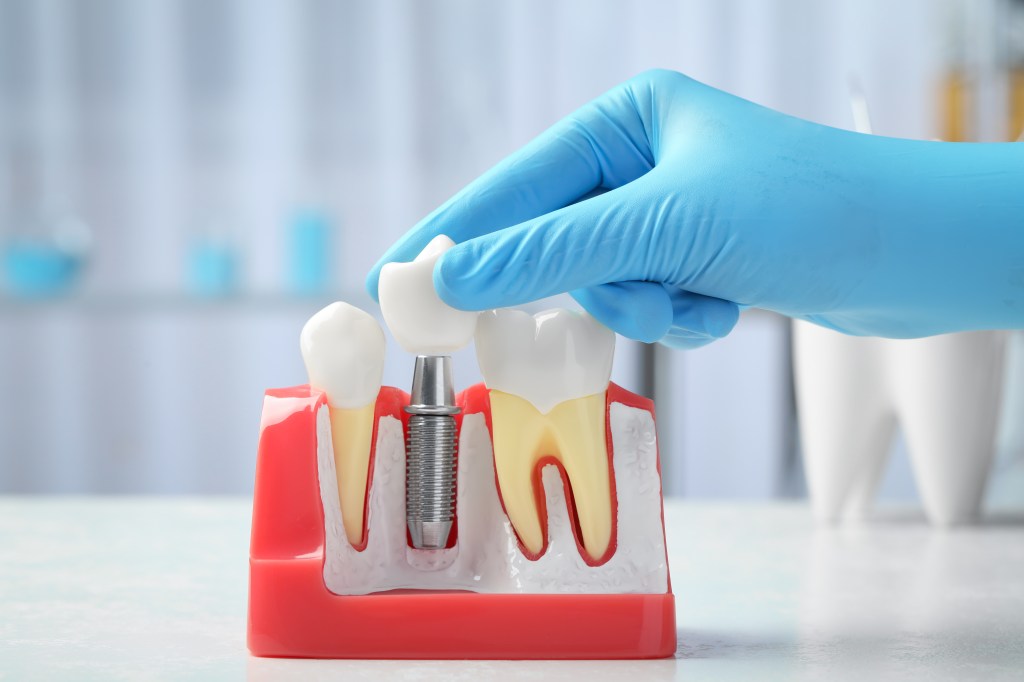
    Dental implants cannot develop cavities, but they can develop a condition called peri-implantitis. This is an inflammatory infection around the implant that affects the surrounding gum and bone.

    Peri-implantitis is often linked to poor oral hygiene or a history of periodontal disease. Patients who have previously experienced gum disease may be at slightly higher risk if maintenance is not consistent.

    The good news is that implants, when properly maintained, have very high long-term success rates.

    Treatment Comes First

    Before placing dental implants, your dentist will ensure periodontal disease is under control. This may involve:

    • Deep cleanings (scaling and root planning)
    • Antibiotic therapy
    • Improved home care routines
    • Periodontal maintenance visits

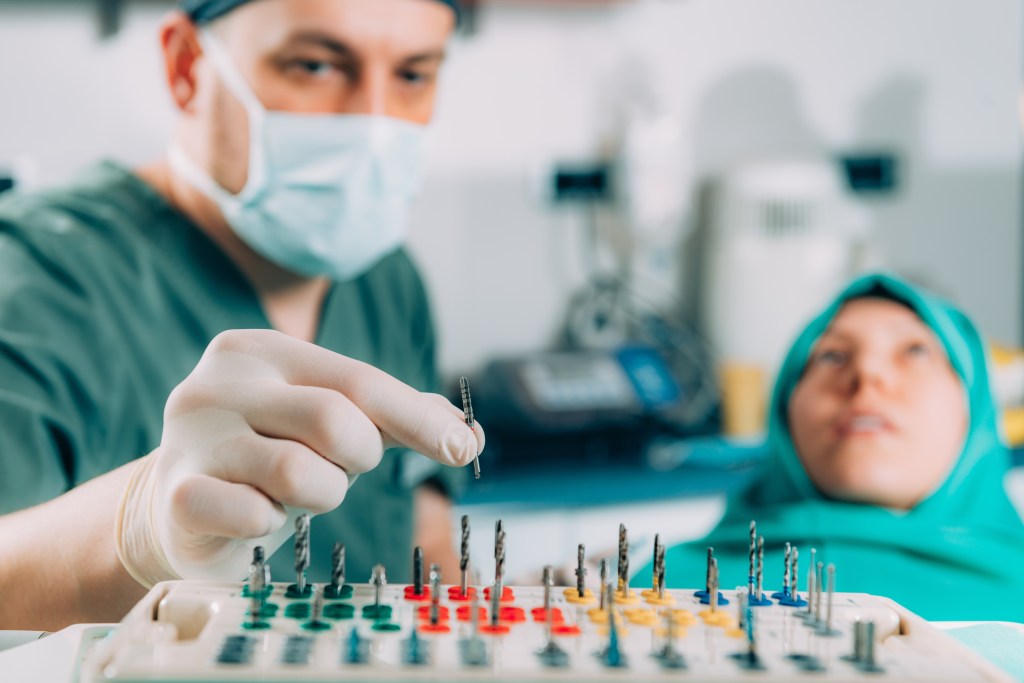
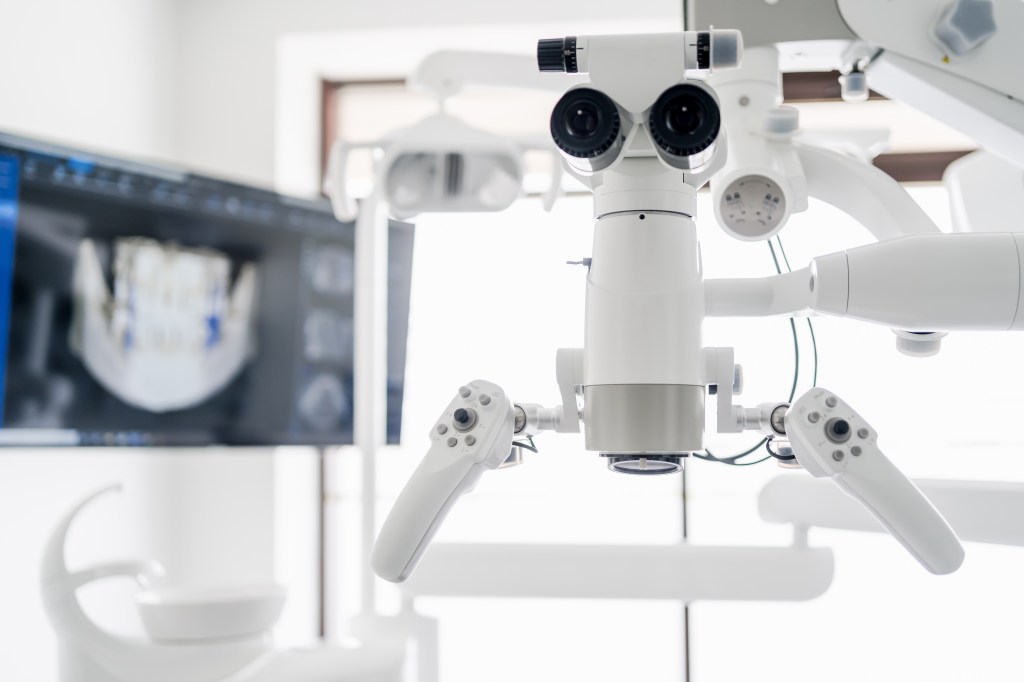
    Once the infection is stabilized and bone levels are evaluated through 3D imaging, implant treatment can move forward safely.

    Maintenance Is Critical

    After implants are placed, ongoing maintenance is essential. Patients with a history of gum disease often require cleanings every three to four months instead of twice per year. Specialized instruments are used to clean around implants without damaging them.

    Brushing, flossing, and possibly using water flossers or antimicrobial rinses will help protect the tissue surrounding the implant.

    Full Arch Dental Implants and Periodontal History

    For patients who have lost multiple teeth due to advanced periodontal disease, full arch dental implants offer a stable, fixed solution. Because implants replace the failing teeth entirely, they eliminate infected tooth roots and allow a fresh foundation for oral health.

    However, maintaining healthy gums remains essential to protect the supporting bone.

    The Bottom Line

    Having periodontal disease does not automatically disqualify you from dental implants. The key is proper treatment before placement and consistent maintenance afterward.

    With a controlled infection, healthy hygiene habits, and regular professional care, dental implants can provide a long-lasting solution even for patients with a history of gum disease.
  • How Long Does a Dental Cleaning Take?

    A lot of patients ask this before their appointment. The short answer is that most dental cleanings do not take very long. In many cases, the visit lasts somewhere around half an hour to an hour, but exact timing can vary. Someone who comes in regularly and keeps up with brushing and flossing will usually have a quicker cleaning. If it has been a while since the last visit, the appointment may take a little longer. Either way, routine cleanings are usually one of the simpler dental appointments.

    What Happens During the Appointment

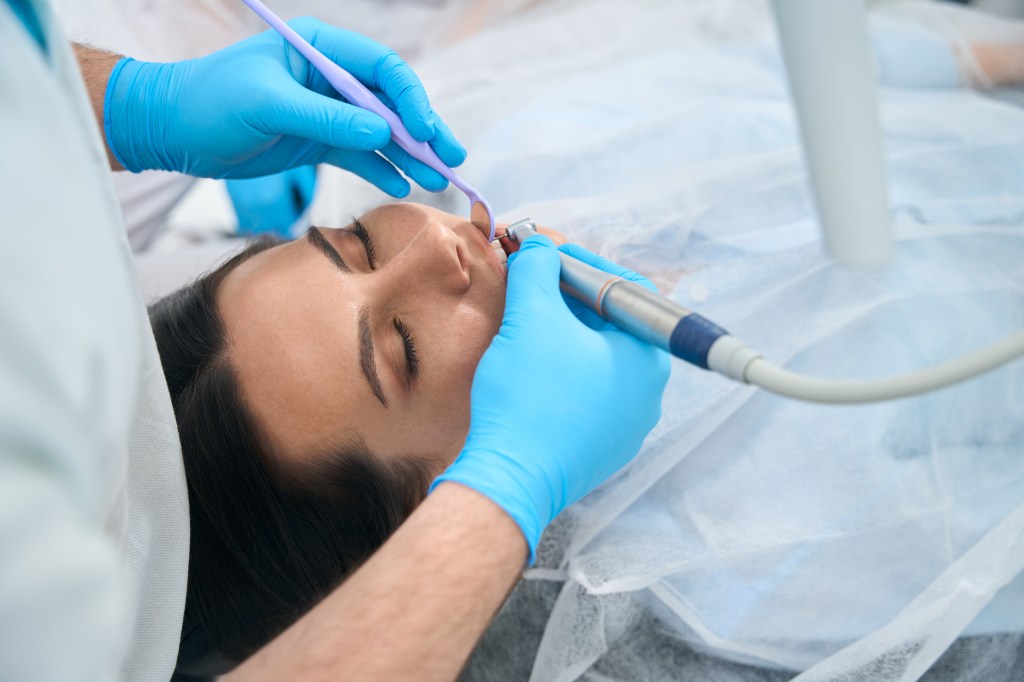
    The visit usually starts with a quick look at your teeth and gums to make sure everything appears healthy. After that, the dentist or hygienist begins removing plaque and tartar from around the teeth. Tartar is the hardened buildup that brushing alone cannot remove. Special tools are used to gently clean along the gumline and between teeth.

    Once that buildup is cleared away, the teeth are polished. A small rotating brush and a mildly gritty toothpaste help smooth the surfaces and remove light stains. The appointment often ends with flossing and sometimes a fluoride treatment.

    Why Some Cleanings Take Longer

    Not every appointment moves at the same pace. If someone has more buildup on their teeth, it will take a bit more time to clean everything properly.

    Gum health can also affect the timing. When gums are irritated or sensitive, the cleaning may be done more slowly to keep the patient comfortable. Sometimes additional steps are included during the visit as well. X-rays, dental exams, or discussions about oral health can add a few minutes.

    What About Deep Cleanings?

    You may have heard the term “deep cleaning.” This is different from a routine cleaning. Deep cleanings are usually recommended when gum disease is present. The dentist or hygienist cleans below the gumline and around the tooth roots to remove bacteria. Because it is more detailed, the treatment often takes longer and may be split into multiple visits. Regular cleanings are much simpler and focus on prevention.

    Keeping Dental Visits Simple

    One of the best ways to keep appointments quick is to go regularly. When cleanings are done every six months, plaque does not have as much time to build up.

    Good home care also helps. Brushing twice a day and flossing daily keeps teeth cleaner between visits. For many patients, those habits make dental cleanings straightforward and relatively fast.

    A Quick Summary

    Most dental cleanings take less than an hour, and many are finished in about 30 to 45 minutes. The exact time depends on your oral health and how much buildup needs to be removed. Even though the visit is short, these cleanings play an important role in keeping teeth and gums healthy over time.

  • I’m Terrified of the Dentist. Can Sedation Dentistry Help?

    A lot of people feel uneasy about going to the dentist. For some, it’s mild nerves before an appointment. For others, the fear is strong enough that they avoid treatment for years. Sedation dentistry was developed to help patients who struggle with that kind of anxiety.

    Instead of forcing yourself through a stressful appointment, sedation allows the dentist to use medication that helps you relax during treatment. Many patients say the experience feels much easier once sedation is involved. If fear has kept you from scheduling care, you’re far from the only person dealing with that.

    Why Do People Develop Dental Anxiety?

    There isn’t just one reason people fear the dentist. Often it comes from past experiences or certain triggers during treatment. Some common ones include:

    • a painful dental visit in the past
    • fear of needles or dental instruments
    • feeling trapped in the dental chair
    • embarrassment about the condition of teeth
    • a strong gag reflex
    • sensitivity to sounds or smells in the office

    When anxiety becomes intense, the body reacts physically. Some patients start sweating, feel their heart racing, or tense their muscles. In stronger cases, people can feel close to a panic attack. That reaction alone can make dental care feel impossible.

    How Sedation Dentistry Helps

    Sedation works by calming the nervous system. Instead of the body responding with stress, the medication helps patients stay relaxed during treatment.

    Depending on the type used, patients might notice:

    • a strong sense of relaxation
    • less awareness of how much time is passing
    • little memory of the procedure afterward
    • reduced reaction to sounds or sensations

    The patient remains monitored throughout the appointment, but the emotional response to treatment is very different.

    Different Levels of Sedation

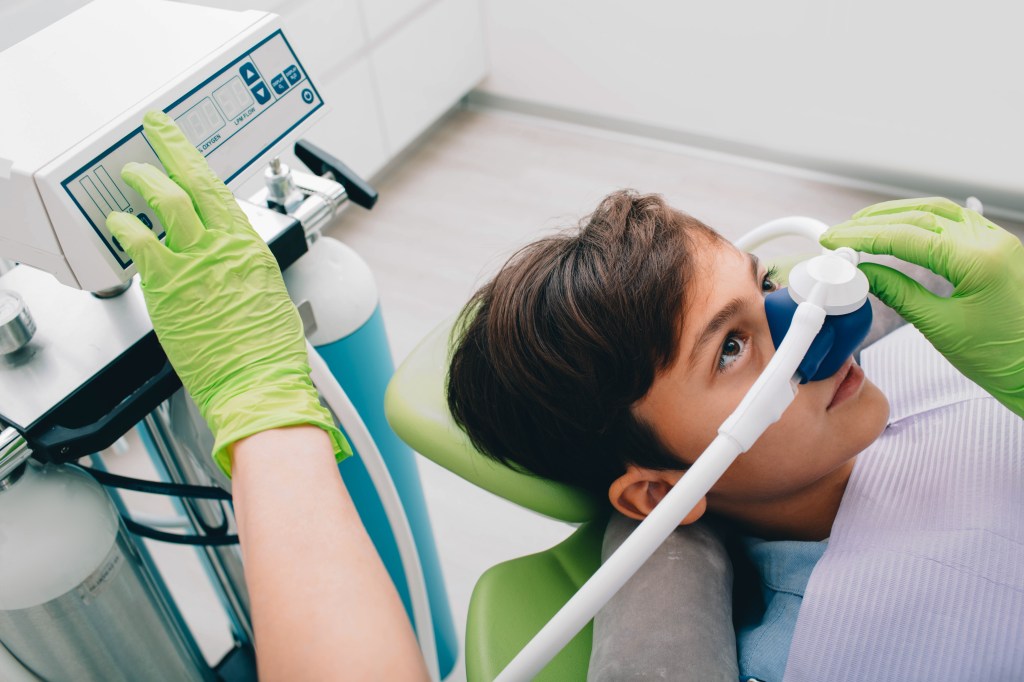
    Not every patient needs the same level of support. For mild anxiety, nitrous oxide (laughing gas) may be enough. It creates a light calming effect and wears off quickly once the mask is removed.

    For stronger anxiety, oral sedation or IV sedation may be recommended. These options create a deeper level of relaxation. Many patients say the appointment feels shorter than expected, and some remember very little afterward.

    Breaking the Pattern of Avoiding the Dentist

    When fear leads someone to delay dental visits, small problems can gradually grow into larger ones. A minor issue may eventually require more complex treatment if it goes untreated. Sedation dentistry helps many patients move forward with care instead of postponing it.

    Interestingly, some patients who start with sedation find their anxiety decreases over time. After several positive experiences, dental visits may become less intimidating.

    Dental Care Should Not Feel Impossible

    Being afraid of the dentist is more common than many people think. It simply means the traditional approach to treatment may not work well for you.

    Sedation dentistry exists to help patients who feel overwhelmed during dental care. With the right support, many people are able to complete treatment comfortably and finally address dental problems they have been putting off.

  • How Long Does Dental Implant Treatment Take?

    Dental implant timelines can look different from one patient to another. It depends on things like your oral health, how many teeth are being replaced, and whether extra steps such as bone grafting are needed. Some people receive temporary teeth the same day their implants are placed. Others go through a healing period that can last several months.

    A common misconception is that implants always take years, however, modern techniques have shortened many treatment plans. The most important factor is allowing enough time for the implant to bond securely with the jawbone.

    The Consultation and Planning Phase

    Implant treatment usually begins with a detailed evaluation. This may include digital X-rays, CBCT imaging, and a discussion about your medical history and dental goals. Your dentist checks bone support, gum health, and the condition of nearby teeth.

    This planning stage often takes one or two visits before the procedure is scheduled.

    Implant Placement and Healing

    Placing the implant itself is normally done during a single appointment. For one missing tooth, the procedure often takes around one to two hours. After the implant is placed, healing begins. During this stage the bone slowly attaches to the implant surface. Dentists refer to this process as osseointegration. For many patients it takes about three to four months before the implant is ready to support a crown.

    What If Bone Grafting Is Needed

    Some patients need additional bone support before an implant can be placed. When that happens, a bone graft may be recommended. Healing from a graft can take several months. In certain cases the graft and implant can be done during the same appointment, but sometimes they are completed in separate stages.

    Full Arch Dental Implant Timelines

    Patients in need of a full arch implant often follow a different schedule. In many modern treatment plans:

    • damaged or failing teeth are removed
    • implants are placed in the jaw
    • a temporary fixed bridge is attached

    This can sometimes happen in a single day or over the course of a few days. The permanent restoration is usually placed after a healing period of several months.

    Will I Be Without Teeth?

    Usually not. Most patients receive temporary teeth during healing. Depending on the plan, these may be removable or fixed. The goal is to keep your smile functional while the implants stabilize.

    Why Healing Time Matters

    Dental implants are designed to last a long time, so the process is not rushed. Giving the bone enough time to heal around the implant helps create a stable foundation.

    Implant treatment involves careful planning and patience, but the result is a tooth replacement that can function much like a natural tooth.

  • How Often Should You Go to the Dentist?

    People often hear that they should see a dentist every six months. That recommendation works well for many people, but it is not the same for everyone. Some patients do well with two visits a year, while others may need to come in more often.

    A dentist usually decides this based on your teeth, gums, and medical history. Things like gum disease, past cavities, smoking, or certain health conditions can change how frequently you should be checked. The goal of regular visits is simple. Dentists want to catch problems early, before they turn into something more serious.

    Why Dental Checkups Matter

    Even with good brushing and flossing habits, plaque can still collect in places that are hard to clean. Over time that buildup becomes tartar. Once tartar forms, it cannot be removed with a toothbrush alone, and a professional cleaning is needed.

    Another reason routine visits are important is because many dental problems do not initially cause pain. Cavities and gum inflammation can develop slowly. During an exam, dentists look for these early changes so they can be treated sooner rather than later.

    The Typical Six-Month Schedule

    For people with healthy teeth and gums, visiting the dentist about twice a year is usually enough. That time frame allows the dental team to remove buildup and check for new concerns. Six months is long enough for small issues to appear but short enough that they can still be treated early. Still, not everyone follows the same schedule.

    When You Might Need More Frequent Visits

    Some patients benefit from seeing the dentist more often than twice a year. This is common for people who have gum disease or who tend to develop cavities easily. In those cases, appointments every three or four months may be recommended. The extra visits help keep inflammation under control and prevent further damage to the gums or bone.

    Dentists may also suggest more frequent care for people who smoke, have diabetes, or wear orthodontic appliances like braces.

    Signs You Should See a Dentist Sooner

    If something feels wrong, it is important to schedule an appointment rather than wait until your next scheduled visit. Certain symptoms should be checked sooner, such as pain when chewing, bleeding gums, swelling in the mouth, or sudden sensitivity. Persistent bad breath may also be a sign of gum problems or infection.

    A Schedule That Fits You 

    There is no single rule that works for everyone. Some patients need closer monitoring, while others maintain strong oral health with fewer visits. A dentist can recommend the right schedule after looking at your teeth, gums, and health history. For many people, the six-month guideline is a good starting point, but it may change over time depending on your needs. Regular care, even when everything feels fine, is one of the easiest ways to protect your teeth in the long run.

  • Sedation Dentistry: What Is It and How Does It Work?

    Some people feel nervous about dental appointments. Others struggle with a strong gag reflex, very sensitive teeth, or procedures that take a long time. Sedation dentistry is one way dentists make those visits easier to handle for nervous patients.

    Different medications can be used depending on the situation. Some forms create a slight calming effect, while others produce a deeper level of relaxation. Common options include nitrous oxide, oral medication, and IV sedation. For patients who avoid dental care because of fear or discomfort, sedation can make it possible to complete needed treatment.

    What Is Sedation Dentistry?

    Sedation dentistry simply means using medication to help patients stay relaxed during dental work. In many cases, patients are still awake, but they feel calmer and less aware of what is happening. The type of sedation used depends on the procedure and how anxious the patient feels beforehand.

    Types of Sedation Dentistry

    Nitrous Oxide (Laughing Gas): Nitrous oxide is breathed through a small mask placed over the nose. It usually starts working within a few minutes and produces a mild sense of relaxation. Patients stay awake and can still respond to instructions. Once the mask is removed, the effect fades quickly, and most people are able to go about the rest of their day normally.

    Oral Sedation: Oral sedation involves taking medication shortly before the appointment. This tends to produce a deeper level of relaxation compared with nitrous oxide. Some patients feel very sleepy, and many remember little about the procedure afterward. Because the medication can take time to wear off, patients usually need someone to drive them home.

    IV Sedation: IV sedation is given through a vein and works quickly. The dentist can adjust the level of medication during the procedure if needed. Patients remain conscious, but they often feel extremely relaxed and may feel as though the appointment passed very quickly. This approach is often used for longer or more involved procedures.

    Who Might Benefit from Sedation Dentistry? 

    Sedation may be suggested for patients who:

    • feel strong anxiety about dental treatment
    • have a pronounced gag reflex
    • find it difficult to sit through long appointments
    • need several procedures completed in one visit
    • have very sensitive teeth
    • have had difficult dental experiences in the past

    It is also sometimes used for procedures such as extractions, dental implants, or extensive restorative work.

    Imaging Has Improved the Evaluation Process 

    Another reason more patients qualify for implants today is improved imaging. Cone beam CT scans allow dentists to see the jaw in detailed 3D. They can measure bone density, locate nerves, and plan implant placement with much more precision than with traditional X-rays.

    Sometimes what appears to be insufficient bone on a regular X-ray turns out to be manageable once a CBCT scan is taken.

    How the Process Works 

    Before treatment begins, the dentist reviews your health history and discusses sedation options. This helps determine which method is safest and most appropriate. During the appointment, the dental team keeps an eye on breathing, heart rate, and other vital signs while the procedure is performed.

    For many patients, sedation simply makes dental care feel more manageable. Instead of putting off treatment, they can complete it while feeling more relaxed.

  • What If I’ve Been Told I Don’t Have Enough Jawbone for Dental Implants?

    If a dentist has told you that you don’t have enough jawbone for dental implants, it can feel like you’ve run out of options. A lot of patients hear this and assume implants are simply off the table. In many cases, though, that isn’t true anymore.

    Dental implant treatment has changed quite a bit over the last decade. Techniques that weren’t widely used in the past are now routine in many practices. Because of that, people who once were told they weren’t candidates may still qualify.

    Bone loss in the jaw is very common after a tooth is lost. When a tooth is present, chewing forces stimulate the surrounding bone and keep it strong. Once the tooth is gone, that stimulation disappears. Over time the body starts to break down and reabsorb the unused bone.

    This process can happen slowly over several years. It’s one reason patients who have worn dentures for a long time, or who have had untreated gum disease, are often told that their bone levels are lower than expected.

    That doesn’t necessarily mean implants aren’t possible.

    Why Bone Matters for Implants

    Dental implants work differently from traditional bridges or dentures. The implant itself acts like an artificial root and is placed directly into the jawbone. After placement, the surrounding bone gradually bonds with the implant in a process called osseointegration.

    This bond is what gives implants their stability. Because of that, the dentist needs enough healthy bone to support the implant and allow it to fuse properly.

    Years ago, limited bone often meant implants couldn’t be placed. Today there are several ways dentists can work around that problem.

    Rebuilding Bone with Grafting

    One of the most common solutions is bone grafting. During this procedure, graft material is placed in areas where the bone has weakened or shrunk. The body gradually incorporates the material and begins forming new bone in that location. Once the area heals, there may be enough bone to support an implant.

    In the upper jaw, a dentist may also recommend something called a sinus lift. This procedure creates additional space for bone beneath the sinus cavity, which can make implant placement possible in areas that previously didn’t have enough support.

    When Full Arch Implants Are an Option 

    For patients replacing many teeth, full arch implant systems can sometimes avoid the need for extensive grafting. These treatments place implants in the strongest parts of the jaw and may angle them slightly to improve stability.

    Because of the way they distribute support, patients with moderate bone loss can often still receive a full set of fixed teeth without undergoing large reconstruction procedures.

    Imaging Has Improved the Evaluation Process 

    Another reason more patients qualify for implants today is improved imaging. Cone beam CT scans allow dentists to see the jaw in detailed 3D. They can measure bone density, locate nerves, and plan implant placement with much more precision than with traditional X-rays.

    Sometimes what appears to be insufficient bone on a regular X-ray turns out to be manageable once a CBCT scan is taken.

    It May Be Worth Getting Another Opinion 

    If you were told years ago that implants weren’t possible because of bone loss, it may be worth having another consultation. Implant techniques and technology have advanced quickly, and many providers now offer treatments that weren’t common in the past.

    Bone loss after tooth loss is very common. Fortunately, modern implant dentistry has developed a number of ways to work around it.

  • The Vital Connection: How Your Oral Health Impacts Your Overall Health 

    Most people think that going to the dentist is a way to keep their teeth shining and their breath fresh. While those are great reasons to swing by the dentist office, there is a lot more at stake. Research shows that the health of your mouth has a positive correlation to your overall physical health. Keeping your mouth clean isn’t just about a nice smile – it’s about protecting your heart, lungs, and quality of life.

    What is the Mouth-Body Connection? 

    The mouth-body connection is the bridge between oral infection and systematic disease. While most of the bacteria in your mouth are harmless, poor oral hygiene can result in an overgrowth of bacteria that can cause tooth decay and gum disease

    When gum disease develops, it creates a path for bacteria to enter your bloodstream. Once inside, the bacteria will travel through the body, possibly causing inflammation in other organs and even worsening existing health conditions. 

    How Oral Health Impacts Your General Health 

    Medical professionals have identified the following connections between oral health and systemic wellness. 

    • Heart Health: There is a strong correlation between gum disease and heart disease. Inflammation in the mouth can cause inflammation in the blood vessels, which increases the risk of heart attack and stroke. 
    • Diabetes Management: This relationship goes both ways. Diabetics are more prone to gum disease. Gum disease can also make it difficult to control blood sugar levels. 
    • Respiratory Issues: The bacteria from poor oral hygiene can be inhaled into the lungs. This can lead to infections like pneumonia, especially in older adults.  
    • Pregnancy Outcomes: Gum disease has been linked to premature births and low birth weights. Dental professionals recommend that expecting mothers take extra precautions in oral cleaning to ensure both the baby and parent stay healthy.  

    Signs Your Oral Health Needs Attention 

    Regular dental cleanings are more than just keeping your teeth shiny. Managing plaque and tartar actively reduces systematic inflammation in your body. During a routine visit, dentists don’t just look for cavities. They also screen your mouth for cancer, check your jaw alignment, and look for systemic issues that show up in your mouth first.  

    Simple Steps for a Healthier Body 

    Maintaining the connection between a healthy mouth and a healthy body is easier than you may think. Follow these simple, daily habits to keep your system healthy: 

    • Brush twice daily using fluoride toothpaste 
    • Floss every single day to eliminate bacteria between teeth 
    • Eat a balanced diet that is low in added sugars 
    • Stay hydrated to maintain saliva, which naturally cleans the teeth 
    • Schedule professional cleanings at least twice a year  

    Your mouth is a mirror to your internal body. By prioritizing your oral hygiene, you are doing more than just saving your teeth—you are taking steps to live a longer, healthier life.  

  • The Role of Technology in Modern Dental Implants

    The dental implant technology society counts with today is revolutionizing the way in which patients experience tooth treatment.  Thanks to 3D imaging, guided surgery, and digital smile design, implant dentistry has become more efficient and predictable, offering better long-term results for patients across the U.S.

    3D Scans Allow For Safety And Precision 

    Prior to implant surgery, dentists use  cone beam CT (CBCT) scanners to capture detailed 3D images of your jawbone, nerves, and sinus cavities.  This supports dentists in determining the ideal implant placement. Likewise, it prevents surgical complications along the process. Clinics using CBCT tech have the opportunity to plan  treatment down to the last detail. Hence, improving patients’ trust in their practitioner. 

    Digital Impressions Replace Traditional Models

    Many U.S. dental practices now use intraoral scanners instead of messy molds. These digital impressions are faster, more comfortable, and allow immediate design of custom implant restorations. Combined with CAD/CAM technology, some dentists can create and place crowns or bridges the same day.

    AI and Software-Driven Treatment Planning

    Artificial intelligence is reshaping modern implant workflow. Some dentists now rely on AI-based diagnostic software to analyze bone density, predict outcomes, and simulate smile transformations. This ensures patients understand their treatment fully before surgery, leading to improved satisfaction and trust.

    Computer-Guided Surgery Improves Accuracy

    Guided implant systems use specialized software to design the perfect angulation and depth for each implant. Thanks to products like Yomi, your dentist follows a digital guide that ensures optimal positioning. This minimizes guesswork, reduces healing time, and increases the success rate of full arch dental implants and single-tooth restorations alike.

    When looking for dental implant specialists in the area, check in about their technology stack. Selecting a practice that focuses on computer-guided surgery and 3D scanning ensures a smoother experience and high level of precision.

  • The Hidden Health Risks of Living with Missing Teeth

    Living with missing teeth affects more than appearance; it leads to jawbone loss, facial collapse, increased gum disease risk, and systemic health problems like heart disease and stroke. Missing teeth cause bone resorption, shifting teeth, and bite misalignment, which dental implants can prevent by mimicking natural tooth roots. Gaps increase the risk of infections and nutritional deficiencies due to compromised chewing ability. 

    Missing teeth also contribute to chronic jaw pain, headaches, and social anxiety or depression from low self-esteem. Permanent solutions like single dental implants, implant-supported bridges, or full arch implants (All-on-4) restore oral health and improve overall quality of life.

    Missing teeth affect more than your appearance—they can significantly impact your overall health. When a tooth is lost, the surrounding jawbone begins to shrink because it no longer receives the stimulation provided during chewing. This bone loss can change your facial shape, loosen neighboring teeth, and disrupt your bite. Gaps also trap food and bacteria, increasing the risk of gum disease, infections, and decay, all of which have been linked to more serious health issues like cardiovascular disease and stroke. People with missing teeth often avoid crunchy, fibrous foods, leading to nutritional deficiencies and poor digestion over time.

    Bite changes can contribute to jaw pain, headaches, and muscle tension. Emotionally, tooth loss can reduce confidence, cause social withdrawal, and negatively affect mental well-being. Permanent solutions such as dental implants help preserve bone, improve chewing function, and restore the stability needed to maintain both oral and whole-body health. Choosing to replace missing teeth isn’t cosmetic vanity – it’s a vital step toward long-term health and quality of life.