• How to Avoid Overpaying for Dental Implants

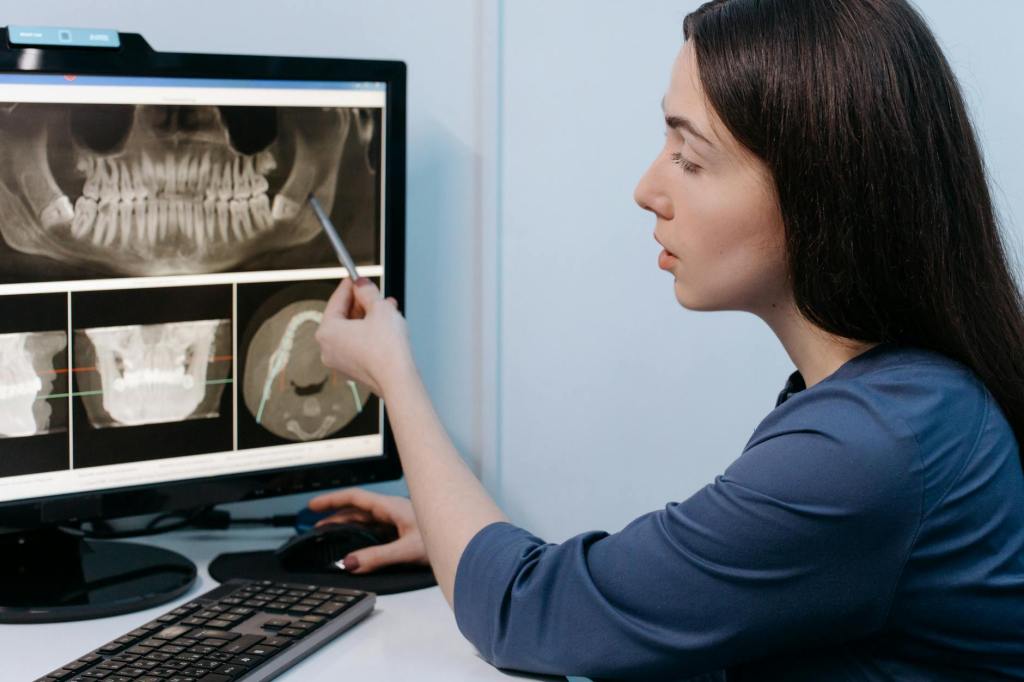
    Dental implant costs vary widely, often ranging from $2,800 to $6,000 per tooth, with full arch solutions like All-on-4 dental implants costing $25,000 to $90,000. Understanding your full dental implant cost breakdown, including diagnostics, surgical placement, abutments, and crowns, can help avoid overpaying without sacrificing quality. Look for transparent treatment plans that detail every step—from 3D scans to bone grafting and sedation options. When comparing dental implant providers, prioritize experienced implantologists who use premium implant brands like titanium or zirconia to ensure long-term success. 

    Dental Implant Procedure

    Also, ask about dental implant warranties and follow-up care for a safer investment. Using dental insurance or financing plans can significantly reduce upfront costs. Key SEO keywords: dental implants cost, All-on-4 dental implants, dental implant warranty, dental implant financing, dental implant consultation.

    Dental implant pricing varies widely depending on what’s included in the treatment plan, which is why understanding the full breakdown is the best way to avoid overpaying. Many people don’t realize that “dental implant” often refers to several components — the implant post, abutment, crown, imaging, surgery, and sometimes additional procedures like extractions or bone grafting. When comparing quotes, it’s essential to confirm whether everything is bundled or if you’ll later be charged for individual steps. Very low prices may look appealing, but vague treatment plans, missing 3D imaging, or unclear surgical providers can signal hidden costs later. 

    True value comes from transparent pricing, high-quality materials, experienced clinicians, and clear expectations about healing and aftercare. Before moving forward, ask whether a clinic offers warranties or guarantees on its work, whether implant failure would incur additional fees, and whether follow-up care is included. Patients can also save by using HSA/FSA funds, in-office membership plans, or phased treatment schedules. Dentists like Valley Smile Care offer transparent pricing and numerous financing options. With the right questions and a clear, all-inclusive estimate, you can confidently choose affordable dental implants that protect both your smile and your long-term budget.

  • Three Questions to Ask Your Dentist at Your Next Check Up

    Have you ever felt like you don’t know the right questions to ask your dentist at your annual appointments? Many patients feel this way! Knowing the right questions can help you improve your dental goals and get you the answers you need to succeed.

    This article answers the three main questions you should be asking your dentist at your next visit.

    How is My Dental Health?

    This may seem like a basic question, but it is an essential question to help improve your oral health and to be able to take your health into your own hands. Your dentist will be able to give you an overview about your health, highlighting problems or dental issues that require attention. 

    This question is an important way to dive deeper into specific issues that need attention and preventive measures that need to be taken place, improving your dental routine.

    By asking this, it shows your dentist your genuine interest in your overall health and dental health. Your dentist will be able to provide feedback about your daily habits and the improvements you need in your future dental decisions. 

    What Improvements Can I Make To My Dental Routine?

    We all know the basic steps of our dental routine should be brushing and flossing, but what else? Dental professionals will be able to help you improve your dental techniques including what toothbrush to pick, what toothpaste, and what is a safe way to whiten your teeth. 

    Some dentists recommend implementing electronic toothbrushes, water flossers, and interdental brushes to enhance your oral routine. They will be able to assess your basic techniques like brushing and flossing or the products you should be using. 

    Asking this question, will help your dentist give you personalized advice on what to do to improve your oral health and overall health. 

    What Dietary Habits Affect My Dental Health?

    Some foods you may be eating are promoting tooth decay, discoloration, and gum disease. Your dentist will be able to give you a personalized list of foods to eat and stay away from to keep your teeth and mouth healthy. 

    Many dentists recommend staying away from sugary snacks and beverages that can build up tartar and plaque in your mouth, as well as sticky foods that cling to the teeth. Well foods with high fiber and water content can help maintain your oral health and foods with calcium can help strengthen the tooth enamel.

    Having an open conversation with your dentist will help you prevent major dental problems and ensure you keep a brighter, healthier smile.

    Time To Ask!

    The next time you go into the dentist’s office, make sure to ask these important questions. These questions will help strengthen your relationship with your healthcare professionals and help you improve your dental health.

    At Valley Smile Care, we want to hear your questions, and we are ready to give you answers that you need to help you maintain your perfect smile.

  • How a Beautiful Smile Affects Your Career and Social Life (Backed by Science)

    Have you ever noticed how much easier it is to strike up a conversation or feel confident walking into a room when you’re proud of your smile? You’re not alone—and science agrees with you.

    A healthy, radiant smile doesn’t just affect how you see yourself; it deeply influences how others perceive you, too. From job interviews to first impressions at social gatherings, the way your smile looks can actually shape your professional and personal opportunities.

    Let’s take a closer look at what the research says about the powerful connection between your smile, your career, and your social life—and how cosmetic dentistry can help you harness it.

    Your Smile is Your First Impression

    Studies consistently show that a person’s smile is often the first thing others notice. A survey conducted by the American Academy of Cosmetic Dentistry (AACD) found that 48% of adults believe a smile is the most memorable feature after first meeting someone, far more than voice, clothing, or even words spoken.

    But what does that mean in a real-world setting? A warm, healthy smile communicates confidence, trustworthiness, and approachability—traits that are critical whether you’re networking at a conference or going on a first date.

    The Psychological and Social Power of Smiling

    Smiling activates neural messaging in your brain that releases feel-good neurotransmitters like dopamine, endorphins, and serotonin. Not only does this lift your mood, but it also has a contagious effect on those around you. People naturally gravitate toward others who make them feel good—often without even realizing it.

    A study published in the journal Neuropsychologia found that people are more likely to perceive a smiling person as more intelligent and competent, even before a word is spoken. So if you’re walking into an interview, meeting clients, or presenting a big idea, your smile could speak volumes about your capability.

    Career Advancement: The Smile Advantage

    There’s a reason cosmetic dentistry has become increasingly popular among professionals. According to research from Kelton Global, those with whiter, straighter teeth are 58% more likely to be hired for a job and are perceived to earn 5-10% higher salaries on average than those with less appealing smiles.

    Why? Because we subconsciously associate oral health and appearance with personal discipline, reliability, and hygiene. In a competitive job market, even subtle visual cues—like the brightness of your teeth—can tip the scale in your favor.

    And this isn’t just about vanity—it’s about perception, which plays a huge role in human interaction. Whether it’s fair or not, we form opinions based on appearance in seconds. A healthy smile enhances those opinions instantly.

    A Dentist’s Perspective: Smile Health vs. Smile Aesthetics

    While aesthetics often drive patients to seek smile makeovers, what many don’t realize is how closely cosmetic dentistry and oral health are connected.

    Straighter teeth are not only more beautiful—they’re easier to clean, which reduces your risk of cavities and gum disease. Addressing misalignment can improve your bite, reduce jaw pain, and even help with issues like teeth grinding (bruxism).

    Likewise, replacing old, stained fillings or fractured enamel doesn’t just enhance your smile—it also helps preserve tooth structure and prevent further damage.

    At our practice, we always perform a comprehensive dental exam before recommending any cosmetic procedures. We believe beauty should never come at the expense of health. That’s why our approach blends cutting-edge aesthetic techniques with personalized treatment planning to ensure long-term function and wellness.

    Practical Steps to Improve Your Smile

    If you’ve been holding back your smile in photos or conversations, there are simple and effective solutions available to you:

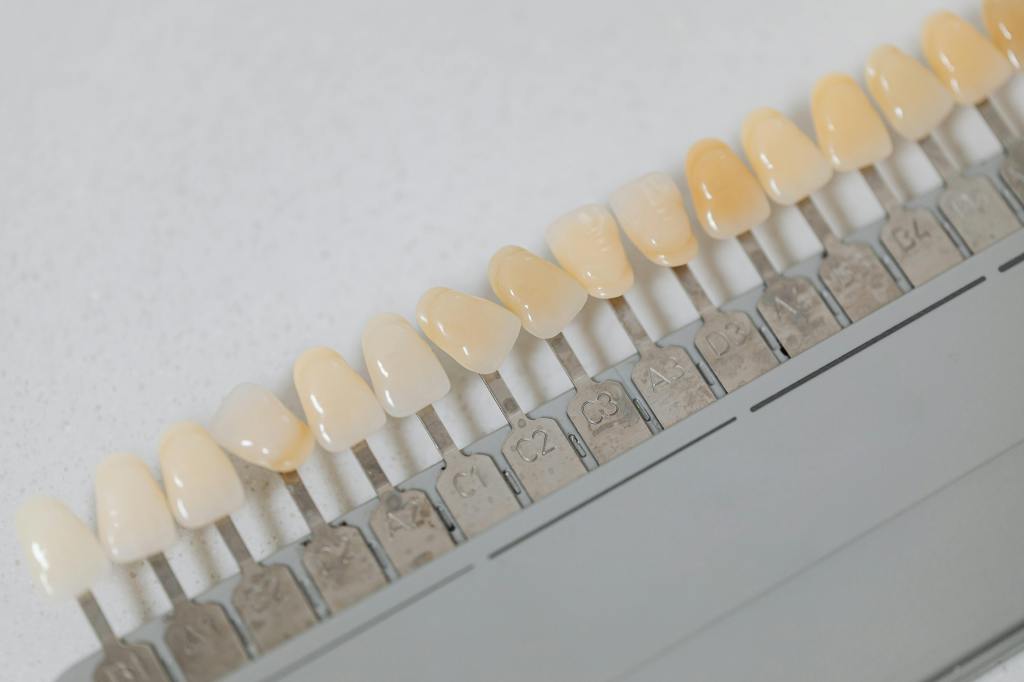
    • Professional Teeth Whitening: Brighten years of staining in just one visit.
    • Porcelain Veneers: Cover chips, gaps, or uneven teeth for a picture-perfect smile.
    • Invisalign or Clear Aligners: Straighten your teeth discreetly and comfortably.
    • Cosmetic Bonding: Repair small imperfections quickly and affordably.
    • Gum Contouring: Reshape your gum line for a more balanced smile.
    • Each of these treatments not only improves your appearance—they also contribute to a healthier mouth overall.

    Confidence Starts With a Smile

    Your smile is more than just an aesthetic feature—it’s a powerful tool that shapes your identity, influences perception, and opens doors. Whether you’re chasing your next promotion or simply want to feel more confident in social circles, investing in your smile is investing in yourself.

    Science confirms what we’ve always intuitively known: a beautiful, healthy smile can change the way you see yourself and how the world sees you. And with modern cosmetic dentistry, that transformation is more achievable than ever.

  • 5 Bad Habits That Are Wrecking Your Teeth

    Have you ever thought about how your daily habits might be slowly ruining your smile? Whether it’s biting your nails, grinding your teeth, or lighting up a cigarette, some behaviors can quietly destroy your teeth over time. Left unchecked, these habits can lead to sensitivity, enamel wear, infections, discoloration, and even chronic jaw pain.

    In this article, we’ll explore 5 common habits that might be standing in the way of your healthiest, most confident smile.

    Nail Biting & Chewing on Non-Food Items

    Chewing on pens, biting your nails, or nervously nibbling on jewelry might seem harmless, but these habits can chip away—literally—at your enamel. They also introduce harmful bacteria into your mouth, raising your risk of infection and irritation.

    Dental professionals recommend keeping nails trimmed and chewing sugar-free gum or crunchy fruits and vegetables as healthier alternatives. If anxiety or ADHD contributes to these habits, stress-reduction techniques and behavioral therapy may be helpful tools in breaking the cycle.

    Brushing Too Hard

    Brushing your teeth is crucial—but more pressure doesn’t equal better results. In fact, brushing too aggressively wears down enamel and damages gum tissue, increasing sensitivity and even receding gums.

    Switch to a soft-bristled toothbrush and use gentle, circular motions. Many electric toothbrushes now include pressure sensors that alert you when you’re brushing too hard, helping protect your smile long-term.

    Teeth Grinding (Bruxism)

    Do you wake up with jaw tension or headaches? You might be grinding your teeth at night. Known as bruxism, this habit puts intense pressure on your teeth and jaw, wearing down enamel and even contributing to TMJ disorders.

    Fortunately, a custom-fitted nightguard can protect your teeth while you sleep. Stress management, mindfulness, and counseling have also been shown to reduce grinding in many patients.

    Smoking

    Smoking does more than stain your teeth—it can damage nearly every part of your oral health. Tobacco use increases your risk for gum disease, tooth loss, delayed healing, and even oral cancer.

    Quitting smoking is one of the best things you can do for your mouth and your whole body. Talk to your dentist about support options, including cessation programs and oral care strategies during the quitting process.

     Chewing Ice

    Crunching ice might feel refreshing, but it’s one of the worst habits for your teeth. Ice is hard enough to fracture enamel and dental restorations, leading to chips, cracks, and temperature sensitivity.

    If you love that crunch, try switching to chilled (not frozen) fruits or crushed ice. Your smile will thank you.

    Break the Habit. Save Your Smile.

    Whether your habits are big or small, now is the time to take your dental health seriously. At Valley Smile Care, we’re here to support you every step of the way. Our team can help you identify harmful behaviors, provide treatment options, and guide you toward a stronger, healthier smile.

    Call Valley Smile Care today to start your journey toward better dental habits—and a brighter smile.

  • Nervous About Dental Work? Try Sedation Dentistry

    When it comes to dental care, anxiety and fear are common feelings among patients. It’s completely understandable to feel uneasy about dental procedures. As a matter of fact, about 35% of Americans attest to having a fear of dental work. That’s where sedation dentistry comes in. Sedation dentistry is a solution that can make dental visits more comfortable and less stressful.

    In this article, we’ll explore what sedation dentistry is and how it can help alleviate the fear and anxiety associated with dental procedures. 

    Understanding Sedation Dentistry

    Sedation dentistry uses medication to help patients relax during dental procedures. It’s sometimes called “sleep dentistry,” although this term can be misleading since patients are usually awake unless under general anesthesia. Simply put, we do not put you to sleep. With the exception of oral surgeries that require anesthesia, we will simply put you in a twilight state. 

    Types of Sedation

    There are several levels of sedation used in dentistry, but broadly speaking – most use two general techniques. 

    • Minimal Sedation: Most patients typically don’t have to undergo intense sedation. In this instance the sedative most commonly used is nitrous oxide, generally referred to as laughing gas which is inhaled through a nasal mask. This does not put the patient to sleep but it does ease the patient’s anxiety, allowing for a smoother procedure. 
    • Oral Sedation: If this method is chosen the sedation will come in the form of a pill or liquid. Before your appointment you will have a set time that you take the medication. Like nitrous oxide during the treatment you will remain awake and medication will make you feel less anxious and more relaxed. Afterwards you most likely will not remember much of what happened.
    • IV Sedation: Compared to the other sedation types IV sedation is the most potent. It does not make one go to sleep immediately, it allows the patient to be relaxed and unaware of their surroundings. IV sedation is recommended to patients with severe dental anxiety because most often after the procedure patients will forget altogether what happened. Patients must also be driven home after a procedure that involves IV sedation.

    The type of sedation used will depend on the procedure and your individual needs.

    Photo by Cedric Fauntleroy from Pexels: https://www.pexels.com/photo/man-in-gray-scrub-suit-wearing-a-pair-of-dental-loupe-4269942/

    The Role of a Sedation Dentist

    Many dentists are specially trained to administer sedatives and monitor patients throughout the procedure. They understand the importance of patient comfort and will ensure that you are as relaxed as possible.

    During your first appointment, there will be a review of your medical history and an opportunity to discuss your specific fears and concerns. It is crucial that you are honest with your medical history and lifestyle during this step as it can dramatically affect the sedation process. This is a good time to ask questions and learn about the sedation options available to you.

    Based on your personal needs, a personalized treatment plan will be created for you. This plan will outline the type of sedation to be used, the procedure details, and any necessary preparations.

    What to Expect During Your Visit

    Before the Procedure

    • Instructions: From what to eat to when to arrive, please closely read the pre-visit instructions and ensure you follow the directions closely. This will ensure a smooth experience for everyone involved. 
    • Transportation: Arrange for someone to drive you to and from your appointment, as sedatives impair your ability to drive safely.

    During the Procedure

    • Administration of Sedation: Depending on the type of sedation, medication may be administered orally, intravenously, or through inhalation (such as nitrous oxide, also known as laughing gas).
    • Monitoring: Your vital signs will be closely monitored throughout the procedure to ensure your safety.
    • Comfort: The dental team will make every effort to create a calming environment, providing blankets or music if desired.

    After the Procedure

    • Recovery: You will be monitored until the effects of the sedation wear off. Recovery time varies depending on the type of sedation used.
    • Post-Procedure Care: You will receive instructions for post-procedure care and any necessary medications.

    Benefits of Sedation Dentistry

    Reduced Anxiety

    Sedation can help you feel calm and relaxed, making it easier to undergo dental procedures without stress or fear. 

    Pain Management

    While local anesthetics are used to numb the treatment area, sedation can further enhance pain management by keeping you relaxed.

    Improved Dental Health

    By making dental visits more manageable, sedation dentistry can encourage regular dental care and help you maintain better oral health. Many people intentionally avoid the dentist due to their fear and anxiety, the use of sedation allows for those individuals to make dental health a consistent part of their healthcare routine. 

    Is Sedation Dentistry Right for You?

    Sedation dentistry is a great option for many patients, particularly those with:

    • Severe dental anxiety or phobia
    • A low pain threshold
    • Sensitive teeth
    • A strong gag reflex
    • Difficulty sitting still for long periods

    However, not everyone is a candidate for sedation dentistry. It’s important to discuss your medical history and any medications you’re taking with your dentist to determine if sedation is a safe option for you. Naturally, you may have some concerns before sitting in our chair, so let’s address those together. 

    Addressing Common Concerns

    Is Sedation Dentistry Safe?

    Sedation dentistry is safe when administered by a trained professional. Our dentists who offer sedation are required to undergo specialized training and are equipped to handle any potential complications.

    Will I Be Conscious?

    With minimal and moderate sedation, you will remain conscious and able to respond to instructions. Deep sedation and general anesthesia may render you unconscious, but these are typically reserved for more complex procedures.

    How Will I Feel After the Procedure?

    You may feel drowsy or groggy after the procedure, due to the type of sedation used. Because of this it is very important to have someone there for you to drive you home. Depending on how your body metabolizes the drug and the dosage used, the time varies on how long the drug will be in your system. Once you are home safe it is critical to rest and drink a lot of water in order to have a smoother recovery. 

    Conclusion

    Sedation dentistry can be a game-changer for those who experience fear or anxiety about dental visits. By understanding what to expect, you can approach your next dental appointment with us with confidence and ease. Remember, your dental health is important, and taking steps to overcome anxiety will contribute to a healthier, happier smile.

    If you believe sedation dentistry could benefit you, reach out to us to discuss your options and take the first step towards a more comfortable dental experience. Your journey to stress-free dental care starts here!

  • Smile Makeovers: What Cosmetic Dentistry Can Do for Your Confidence

    Have you ever found yourself hiding your smile in photos? Maybe you’ve mastered the art of the “closed-lip grin” or subconsciously cover your mouth when you laugh. If so, you’re not alone. So many people feel self-conscious about their teeth, and sadly, that insecurity can spill into every area of life — from how we carry ourselves in conversations to how we show up in job interviews, dates, or even family events.

    But here’s the good news: you don’t have to keep settling for a smile that makes you feel small. Cosmetic dentistry has come a long way, and today’s smile makeovers are not just about aesthetics — they’re about restoring confidence, creating a healthier mouth, and helping you step into life a little more boldly.

    Let’s explore what a smile makeover really is, how it works, and the life-changing impact it can have on your self-esteem.


    What Is a Smile Makeover?

    A smile makeover is a customized combination of cosmetic dental treatments designed to enhance the appearance of your smile. It’s not a one-size-fits-all approach — it’s tailored specifically to your needs, goals, and facial features. Whether it’s discoloration, gaps, chips, alignment issues, or worn-down teeth, cosmetic dentistry gives us a whole toolbox to work with.

    Some of the most common smile makeover treatments include:

    • Teeth Whitening – For brightening teeth that have been dulled by coffee, wine, or time.
    • Porcelain Veneers – Thin, durable shells that cover the front surface of teeth for a dramatically polished look.
    • Dental Bonding – A quick and effective solution for minor chips, cracks, or gaps.
    • Invisalign or Clear Aligners – For those who want a straighter smile without the brackets and wires.
    • Gum Contouring – Reshaping the gumline to create a more balanced, symmetrical smile.
    • Tooth-Colored Fillings or Crowns – Replacing older metal restorations with natural-looking alternatives.

    Each of these treatments plays a unique role in transforming a smile — and it’s often the combination that delivers the biggest impact.

    Confidence Isn’t Just Cosmetic

    A smile makeover isn’t just about looking good in selfies. It’s about feeling good in your own skin. There’s something deeply personal about your smile — it’s how you greet people, laugh with friends, and connect with those you love. When you don’t feel proud of it, that self-doubt lingers under the surface.

    We’ve seen patients walk into the office unsure, quiet, and guarded. And we’ve watched them walk out after treatment standing a little taller, smiling a little wider, and feeling like the best version of themselves. That’s the power of cosmetic dentistry — not just transformation on the outside, but renewal from within.

    A Healthier Mouth, Too

    Here’s something a lot of people don’t realize: cosmetic dentistry often improves your overall dental health as well.

    • Straightening teeth makes them easier to clean, reducing your risk of gum disease and decay.
    • Replacing worn or damaged teeth helps with bite alignment and jaw comfort.
    • Restoring broken or chipped teeth protects against further damage.

    So while a smile makeover may start with appearance, it often ends with stronger teeth and better oral hygiene — a win-win all around.

    It’s Not Vanity — It’s Self-Care

    Let’s address the elephant in the room: some people feel guilty or hesitant about investing in cosmetic treatments. Maybe you’ve thought, “It’s not that bad” or “I should just be grateful for what I have.”

    But here’s the truth: caring for your smile is not vanity — it’s self-care. It’s okay to want to feel confident. It’s okay to invest in something that improves your quality of life. Your smile plays a huge role in your self-perception and your relationships. You deserve to feel good about it.

    The Process: What to Expect

    If you’re considering a smile makeover, the first step is simple: come in for a consultation. We’ll sit down, talk about your goals, take a look at your current smile, and start crafting a personalized treatment plan.

    Some makeovers can be completed in just one visit (like teeth whitening or bonding), while others may be phased out over time (such as Invisalign or veneers). There’s no pressure, no rush — just thoughtful, customized care.

    Real Results, Real Stories

    We could give you numbers and technical details all day, but nothing compares to the stories we see play out in real time. The nervous bride-to-be who finally smiled in her wedding photos. The young professional who landed their dream job and credited their newfound confidence. The retiree who said, “I haven’t smiled like this in decades.”

    Cosmetic dentistry can be life-giving — not just smile-changing.

    Final Thoughts: Your Smile Is Worth It

    You were never meant to hide your joy behind closed lips or silence your laughter out of insecurity. Your smile is one of the most beautiful things about you — and it deserves to shine.

    If you’ve been holding back because of how your teeth look, maybe it’s time for a change. A smile makeover could be the key to unlocking a brighter, more confident you.

    Let’s start the journey together. One appointment, one step, one smile at a time.
  • Professional Teeth Whitening A Helpful Guide

    Studies show that the first thing a person notices about you is – your smile. A bright, confident smile can be a game-changer. It can boost your self-esteem and make a lasting impression.

    But what if your teeth are not as white as you’d like them to be? Perhaps your morning coffee habit has caused your teeth to not shine the same way they used to. We are here to help with that. 

    Professional teeth whitening could be the solution you’re looking for. This popular dental procedure can significantly brighten your smile, removing stains and discoloration.

    Understanding Professional Teeth Whitening

    Teeth Whitening  involves the use of specialized techniques to lighten the shade of your teeth unlike over-the-counter products, professional teeth whitening is performed by our qualified dentists. This ensures both safety and effectiveness.

    The goal is not just a whiter smile, but a healthier one. Our dentists assess your oral health before beginning any treatment. This tailored approach means the whitening process suits your specific needs and conditions. 

    By choosing professional teeth whitening, you opt for a controlled and powerful treatment, minimizing risks. Feel assured that you’re in experienced hands, ensuring a satisfying outcome.

    What Is Professional Teeth Whitening?

    Our dentists use a potent whitening gel that includes a 40% hydrogen peroxide to remove deep stains and discoloration. This treatment is performed by our skilled dentist, ensuring the highest standards.

    The Procedure: How Does It Work?

    The process begins with one of our dentists applying a bleaching gel to your teeth. This gel contains ingredients designed to tackle tough stains.

    To enhance the whitening effect, some treatments use specialized lights or lasers. These tools activate the whitening agents, speeding up results.

    The procedure is precise, targeting only the teeth while protecting gums. After about an hour, you’ll notice a significant difference in tooth color.

    Effective and Long-Lasting Results Fast 

    Unlike store-bought kits, it can lighten teeth several shades in just one visit. These results last longer because of the powerful agents used by our dentists. They penetrate beneath the surface, removing stains at their source.

    Photo by Gustavo Fring from Pexels: https://www.pexels.com/photo/man-having-dental-checkup-5622257/

    Post-Whitening Sensitivity

    Tooth sensitivity usually occurs at the time of treatment and can last several days. It usually diminishes as your teeth adjust to the treatment. If needed, your dentist can recommend products to alleviate any discomfort, ensuring a pleasant experience. There are some things you could do yourself. Opt for a sensitive toothpaste, soft bristle toothbrush, or just avoid extreme temperature foods, nothing too hot or too cold. 

    Maintaining Your Bright Smile

    Maintaining the sparkle of your whitened teeth requires consistent care. Good oral hygiene practices are vital in preserving the results of the whitening treatment.

    Brushing twice daily with a whitening toothpaste helps keep stains at bay. Flossing regularly supports overall oral health and prevents discoloration.

    It’s also wise to limit intake of foods and drinks that can stain teeth, such as coffee and red wine. By following these simple steps, you can enjoy your dazzling smile for a longer time.

    FAQs About Professional Teeth Whitening

    Here are answers to some common questions about professional teeth whitening:

    • How long do results last? Results can last several months to years.
    • Is whitening painful? Some may experience temporary sensitivity.
    • Can all teeth be whitened? Not restorations like crowns.
    • How quickly will I see results? Often after one session.

    Conclusion

    Professional teeth whitening is a safe and effective way to enhance your smile & boost your confidence. By opting for dentist-led services, you ensure a personalized and secure experience. Address any concerns with your dentist, and maintain good oral hygiene post-treatment.

  • Should I See An Oral Surgeon or a General Dentist

    Dental health is comprised of various specialties, each with distinct roles. Two key professionals in this realm are general dentists and oral surgeons. A general dentist is often the first point of contact in dental care. They focus on maintaining oral health through preventive and routine care. Oral surgeons, on the other hand, handle more complex oral health procedures like dental implants, tooth extractions, bone grafting, and TMJ treatment. 

    This collaboration between dentists and oral surgeons ensures comprehensive care.

    Photo by Photo By: Kaboompics.com from Pexels: https://www.pexels.com/photo/a-mouth-mirror-in-a-patient-s-mouth-6627522/

    When to Visit a Dentist

    Patients are encouraged to attend dental recall appointments at regular 6-month intervals, this will help prevent dental issues. For most people, a general dentist is your first line of defense. Simply put, if you see the general dentist regularly enough, you may never have to see an oral surgeon. Your general dentist is the dental equivalent to your primary care doctor. 

    They handle a variety of common oral concerns. Dentists do cleanings, fill cavities, treat minor gum issues, and conduct X-rays for diagnosis.

    Here are common reasons to see a dentist:

    • Regular cleanings and exams
    • Tooth decay and cavity treatments
    • Minor gum disease management
    • Routine X-rays and diagnostics
    • Preventive advice and oral hygiene tips

    If the dentist identifies a problem that requires specialized care, they will provide a referral. They work closely with specialists to ensure comprehensive patient care.

    When to Seek an Oral Surgeon

    Oral surgeons handle cases that require surgery beyond a dentist’s scope. Their expertise covers intricate surgeries and treatments. They are trained to manage complicated dental conditions.

    Here are situations where seeing an oral surgeon is beneficial:

    • Impacted or severely problematic wisdom teeth
    • Jaw misalignments or facial pain
    • Tumors or cysts in the mouth or jaw
    • Procedures needing sedation

    If your dentist suggests seeing an oral surgeon, follow their advice. It’s crucial for certain conditions needing surgical expertise. Oral surgeons collaborate with your dentist to ensure your treatment plan is comprehensive. This approach ensures you receive the best care available.

    Common Procedures: Dentist and Oral Surgeon Overlap

    Sometimes, the skills of a dentist and oral surgeon intersect. Both professionals can perform certain procedures, yet the complexity may differ.

    For example, both dentists and oral surgeons are trained to extract teeth. However, simple extractions often fall under a dentist’s expertise. More complicated extractions, like impacted teeth, typically require an oral surgeon.

    Dental implants tend to be recommended by a general dentist then the procedure will be done by a surgeon or specialized dentist. Dentists usually manage implant cases that are straightforward and require less surgical intervention.

    Root canals are typically managed by general dentists or endodontists, but oral surgeons may get involved in complex situations. Cooperation between these professionals enhances patient care for such overlapping procedures.

  • 5 Diseases Linked to Bad Oral Hygiene

    Maintaining good oral hygiene is more than just about having a bright smile; it’s crucial for your overall health. Poor oral hygiene can lead to several health problems, some of which may surprise you. Let’s explore five diseases that are linked to bad oral hygiene and how you can prevent them.

    1. Gum Disease

    Gum disease, also known as periodontal disease, is one of the most common consequences of poor oral hygiene. It’s primarily caused by the buildup of plaque—a sticky film of bacteria on your teeth. If not removed, plaque can harden into tartar, leading to inflammation of the gums (gingivitis)  and eventually, more serious gum diseases like periodontitis which is a very common type of gum disease among adults, about 4 in 10 U.S. adults 30 years or older had a mild, moderate, or severe level of periodontitis in 2009-2014. Regular brushing, flossing, and professional cleanings are essential in preventing gum disease.

    2. Halitosis

    Bad breath is often a direct result of inadequate oral hygiene. Food particles left in the mouth can rot, causing a foul odor. Bacteria in the mouth also release sulfur compounds, which can contribute to bad breath. Brushing twice daily, flossing, and using mouthwash can help reduce the risk of bad breath by keeping your mouth clean and fresh.

    3. Heart Disease

    You might wonder how your oral health is connected to your heart. Research suggests that bacteria from gum disease can enter your bloodstream and contribute to heart disease. The inflammation caused by gum disease may also increase your risk of developing atherosclerosis (clogged arteries). Maintaining good oral hygiene is not only important for your mouth but also for your heart health.

    4. Increased Dementia Risk

    Recent studies suggest that poor oral hygiene may be linked to an increased risk of developing dementia, including Alzheimer’s disease. How does this connection work? Well, research has found that bacteria from gum disease can travel through the bloodstream, eventually reaching the brain. One of the most concerning bacteria, Porphyromonas gingivalis, commonly found in people with periodontitis, has been detected in the brains of Alzheimer’s patients. The presence of these bacteria may contribute to brain inflammation, which is thought to accelerate cognitive decline.

    5. Diabetes Complications

    Diabetes and gum disease have a two-way relationship. Uncontrolled diabetes can lead to higher blood sugar levels, which increase the risk of gum disease. Conversely, gum disease can make it more difficult to control blood sugar levels, exacerbating diabetes symptoms. It’s crucial for individuals with diabetes to maintain excellent oral hygiene and monitor their blood sugar levels closely.

    Jair Lázaro via Unsplash 

    Practical Steps for Prevention

    Preventing these diseases starts with consistent oral hygiene practices. Brush your teeth at least twice a day with dentist-approved toothpaste, floss daily, and schedule a visit with a professional dentist regularly for check-ups and cleanings. Additionally, a balanced diet and avoiding tobacco can significantly impact your oral health.

    Taking care of your oral health is an essential part of maintaining overall well-being. By understanding the link between oral hygiene and these diseases, you can take proactive steps to protect your health. If you have any concerns or need further information, don’t hesitate to reach out to us. Your health is worth it.